
About Shirley Rickett
Poet, memoirist, and lifelong student of the human heart
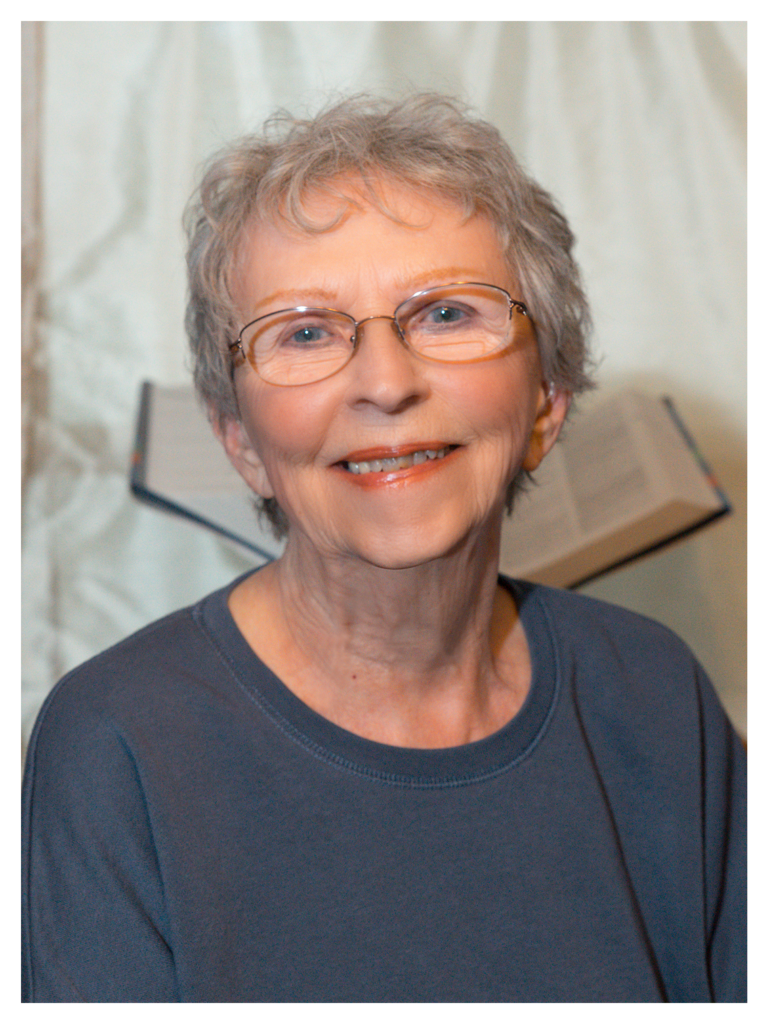
“Every poem is an act of attention, and attention is a form of love.”
Full Bio
Short Bio
Full Bio
Shirley Rickett is a poet and memoirist whose work explores the intersections of personal and historical memory, family, love, and the quiet transformations of daily life. Her poetry collections have appeared in numerous literary journals and anthologies, earning recognition for their emotional depth, lyrical precision, and unflinching honesty.
Shirley was born in Tennessee, and raised in Kansas City, Missouri. Shirley’s Midwest roots inform much of her work — not just in setting, but in sensibility. There’s a plainspoken quality to her verse, a resistance to pretension, and a deep respect for the stories of ordinary people navigating extraordinary circumstances. Shirley wrote a steady stream of “Letters to the Editor” to the local newspaper for 20 years while in Texas.
Her most recent collection, Dinner in Oslo , emerged from years of archival research into her family’s experiences during World War II. The project took her across Europe, through dusty archives, and deep into questions about inherited trauma, resilience, and what it means to bear witness to the past.
When she’s not writing, Shirley can be found cheering for the Kansas City Chiefs (a lifelong devotion), spending time with her husband Charles, and being thoroughly charmed by her rescue dog, AllieMo. She’s a proud great-grandmother, a role she describes as “the best plot twist of my life.”
Short Bio
Shirley Rickett is a poet and memoirist whose collections include Dinner in Oslo, Transplant, and Love: Poems for Vintage Love Song Titles. Her work has appeared in numerous literary journals and anthologies.
Shirley was born in Tennessee and raised in Kansas City, Missouri. Shirley continues to live in the Midwest with her husband Charles and their rescue dog, AllieMo. A devoted Kansas City Chiefs fan and proud great-grandmother, she writes daily about memory, family, love, and transformation.
Her forthcoming collections, Tales and Cicada, continue her exploration of what it means to live a fully examined life, to honor the past while remaining present to wonder.
On Writing
“I write to understand. To give shape to what feels shapeless. To honor what might otherwise be forgotten. Every poem is an act of attention, and attention, I’ve learned, is a form of love.”
“Poetry saved me at different times in my life—in grief, in confusion, in joy too overwhelming for regular speech. If my work can offer that same refuge to even one reader, I’ll consider myself extraordinarily lucky.”