
Why Childhood Traumatic Grief in Adults is Often Overlooked
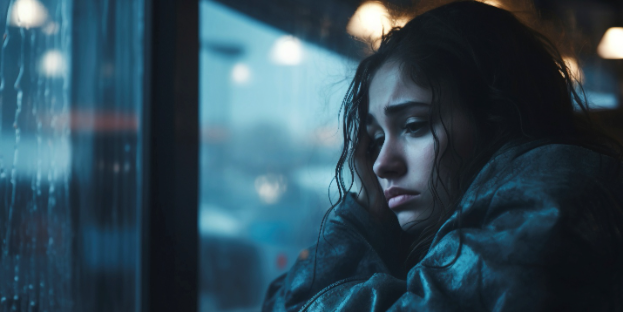
Have you ever wondered why certain emotional struggles seem to follow you throughout your life, even though the events that caused them happened years ago? For many adults, these lingering struggles are rooted in childhood traumatic grief, an experience that is often overlooked or dismissed. Whether it’s the loss of a parent, sibling, or significant caregiver, childhood trauma can leave deep scars that are not always recognized as grief.
These unresolved emotions can shape a person’s adult life in profound ways, yet they often go unnoticed. So why is childhood traumatic grief so easily overlooked, and how can we begin to address it? Let’s take a closer look at why this type of grief is so frequently hidden and why it’s essential to acknowledge it for healing and growth.
1. Unrecognized Grief in Childhood
When a child experiences traumatic loss, whether through the death of a parent, sibling, or other close family member, they may not have the emotional tools to process such an event. Unlike adults, children often lack the language and understanding to express their grief fully. Instead of experiencing grief in the form of sadness or crying, children may act out, withdraw, or develop behavioral issues.
In many cases, adults around the child may not recognize these reactions as symptoms of grief. They might mistakenly attribute them to “acting out” or other childhood behaviors that are seen as part of growing up. This lack of recognition can mean that the trauma isn’t addressed, and the child is left without the emotional support necessary to process the grief.
2. Delayed Manifestation of Grief
While childhood traumatic grief might not be fully processed in the moment, it doesn’t disappear. For many adults, the unresolved grief from their childhood starts to resurface later in life, often triggered by major life events or emotional stress. However, by this time, individuals may have built up years of coping mechanisms, some healthy, others not so much, that mask the underlying grief.
For example, an adult may struggle with anxiety, depression, or relationship issues without recognizing that these problems are tied to the grief they experienced as children. They may feel like something is “off,” but don’t make the connection between their current struggles and the traumatic loss they endured years ago. This delayed manifestation makes it easy for childhood traumatic grief to be overlooked in adulthood, even by mental health professionals.
3. Stigma Surrounding Grief and Trauma
Society often expects children to “move on” from traumatic events quickly. Phrases like “time heals all wounds” or “you’re strong, you’ll get over it” may be well-intentioned but can minimize the emotional impact of childhood grief. This societal pressure to “get over it” leads many adults to dismiss their grief or to feel shame for still struggling with it.
As a result, adults with unresolved childhood grief may suppress their feelings rather than addressing them head-on. They may feel as though their grief isn’t valid because they were children at the time of the loss, or they may be afraid to confront the emotions that have been buried for so long. This reluctance to process grief can lead to long-term emotional difficulties that go unnoticed, both by the individuals experiencing them and by the people around them.
4. Difficulty Identifying the Roots of Emotional Struggles
For many adults, childhood traumatic grief is intertwined with other emotional struggles, such as neglect, abuse, or abandonment. These experiences can create a complex web of emotions that are difficult to untangle. It’s not always immediately clear that grief is the root cause of an adult’s emotional challenges, particularly if those challenges were never properly addressed as a child.
When grief is layered with other traumatic experiences, it can be hard to pinpoint the exact cause of a person’s distress. Adults may seek therapy for anxiety, depression, or relationship problems without recognizing that unresolved childhood grief is at the heart of their struggles. This can lead to treatments that focus on surface-level issues without getting to the core of the problem, grief that has been carried for decades.
5. The Impact of Unresolved Grief on Adult Life
The long-term effects of childhood traumatic grief can be profound. Adults who haven’t processed their grief may struggle with trust issues, emotional regulation, and intimacy in relationships. They may have a deep sense of loss that influences their decisions and shapes their worldview in ways they don’t fully understand.
Unresolved grief can also contribute to mental health disorders, including depression, anxiety, and PTSD. The inability to express or confront grief in a healthy way can lead to chronic emotional pain, which might manifest as mood swings, substance abuse, or even self-destructive behaviors.

Conclusion
Childhood traumatic grief in adults is often overlooked because it is not immediately recognized, tends to manifest later in life, and is often complicated by societal stigmas or other forms of trauma. But the effects of unresolved grief are real and lasting, influencing everything from mental health to relationships. Acknowledging childhood grief and its long-term effects is the first step toward healing. If you or someone you know is struggling with the hidden wounds of childhood trauma, it’s never too late to seek help and begin the healing process. Addressing this grief can be life-changing, leading to emotional freedom, healthier relationships, and a more fulfilling life.
If you’re looking for a profound exploration of overcoming grief and trauma Tales: Memoir & Poems of an American Women and the Wisdom of Robert Bly by Shirley Rickett highlights how these unresolved griefs, stemming from childhood, often manifest as complex emotions that can impact relationships, self-worth, and mental health in adulthood. Rickett’s reflections offer a powerful reminder that the grief experienced in early life doesn’t simply disappear with time, it lingers, quietly influencing our behaviors and perspectives until we acknowledge and heal from it. Her story is a testament to the importance of recognizing childhood grief as a catalyst for personal growth and healing.
Dive into this powerful narrative today to begin your journey toward healing and understanding.